
Reading Room · 5 min read
Why Reading Aloud Helps Early Speech
Updated
Reading aloud offers children words to hear and chances to respond. Talking about pictures and inviting familiar phrases can make a story a shared conversation, rather than a test of speech. These are general reading suggestions, not evidence that a particular book treats a speech difficulty.
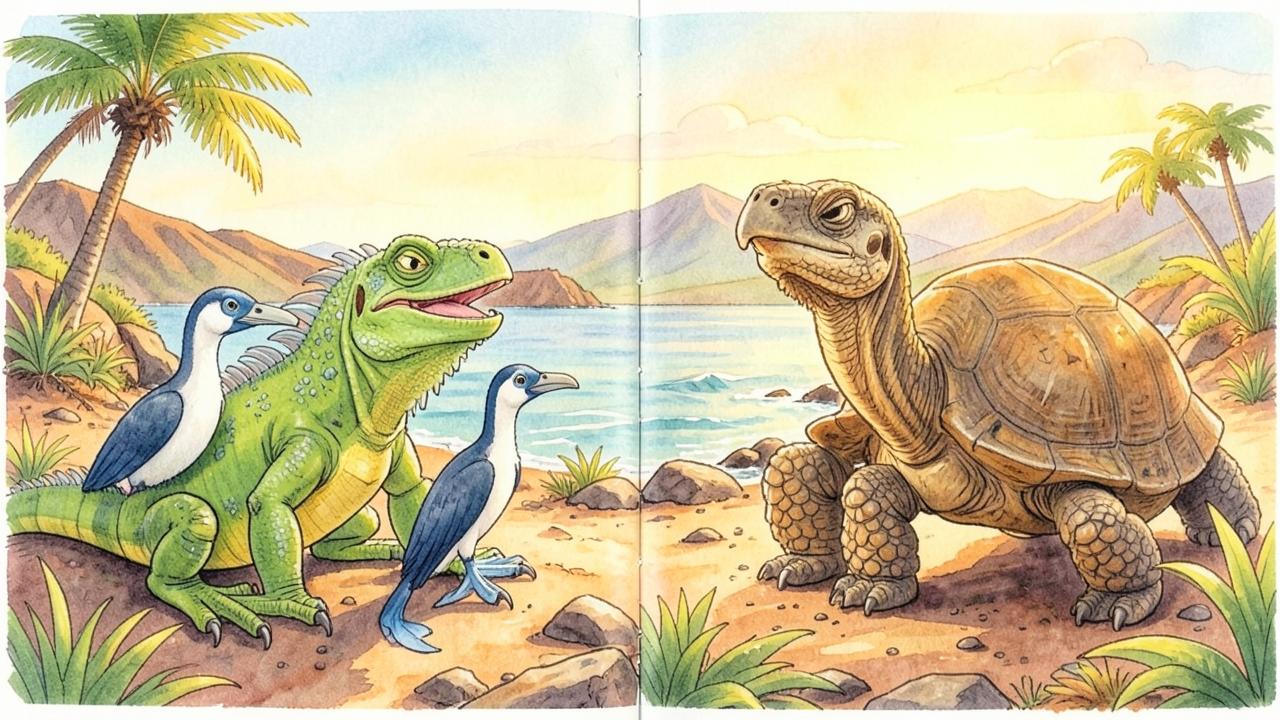
How does reading aloud help early speech?
Reading aloud gives a child opportunities to hear vocabulary and join a conversation about a story. Phonological awareness means noticing sounds within spoken words. It is part of early reading instruction, but simply slowing a story down does not teach every sound or guarantee clearer speech.
An unhurried story leaves room for questions and responses. Explicit activities that help children notice sounds and connect them to letters are a separate part of learning to read.
Sources: Reading Rockets: Dialogic Reading: An Effective Way to Read Aloud with Young Children; Institute of Education Sciences: Foundational Skills to Support Reading for Understanding in Kindergarten Through 3rd Grade
A steady pace leaves room to join in
A familiar story gives a child a phrase they may want to try. Offer a turn, but accept listening or pointing too. A repeated line is an invitation to participate, not a way to assess or treat speech fluency.
How do you get a child to talk during a story?
Pause just before the last word of a familiar phrase and give your child time to respond. This completion prompt invites participation and practice with sentence structure. Accept a word, a gesture or silence, and continue warmly. The aim is an enjoyable conversation, not a promised improvement in speech.
Intentional pauses leave room for a response. Follow your child’s interest rather than counting how often they speak.
Source: Reading Rockets: Dialogic Reading: An Effective Way to Read Aloud with Young Children
Why is rereading the same book good for speech?
Rereading can support word learning, rather than guaranteeing changes in speech. In a study with three year olds, repeating the same storybooks helped children recall and retain new word meanings. That finding supports returning to familiar books, but it does not establish a speech benefit for AdventureRhyme titles.
The eleventh reading is not wasted. Familiar text gives another opportunity to hear words in the same context and talk about their meanings, without requiring your child to pronounce them correctly.
How to read aloud well
- Read at an even pace and let the story carry the line
- Pause before the last word of a line and wait
- Exaggerate a repeated phrase now and then
- Clap or tap along on a favorite page
- Save explanations for after the page, not mid sentence
If you have ongoing concerns about your child's speech, a speech and language therapist is the right person to ask. Reading aloud at bedtime is a good habit, not a substitute for professional advice.
Stories written to be spoken
Both AdventureRhyme titles are written for the read aloud voice, with join in lines on every spread. The Adventure Bundle has both at a saving.
See the bundle